Common Hidden Signs of Water Damage That You Shouldn’t Ignore
Water damage doesn’t introduce itself politely. Sometimes it rushes in, loud and impossible to miss. Other times, it’s completely hidden, wrecking havoc behind the scenes. Either way, it’s ALWAYS unwelcome.
So when it’s not obvious, how are you supposed to know that you have a leak somewhere? Well, there are a lot of different signs to watch out for: a soft board underfoot; a new stain on your ceiling; a faint mustiness in the air; etc.
At Provision Property Restoration, we’ve seen it all. Literally. Small leaks that turned whole rooms into repairs, invisible drips ruining floors from below, dishwashers spraying water while you’re away, and so much more. We’re going to go over some of the most common signs of water damage, but if you’re still unsure if your house is in danger, just reach out to us.
We offer free, no-strings-attached inspections and consultations. Don’t worry, there is NO leak or water spot that is too small for our team to inspect. For peace of mind, give us a call!
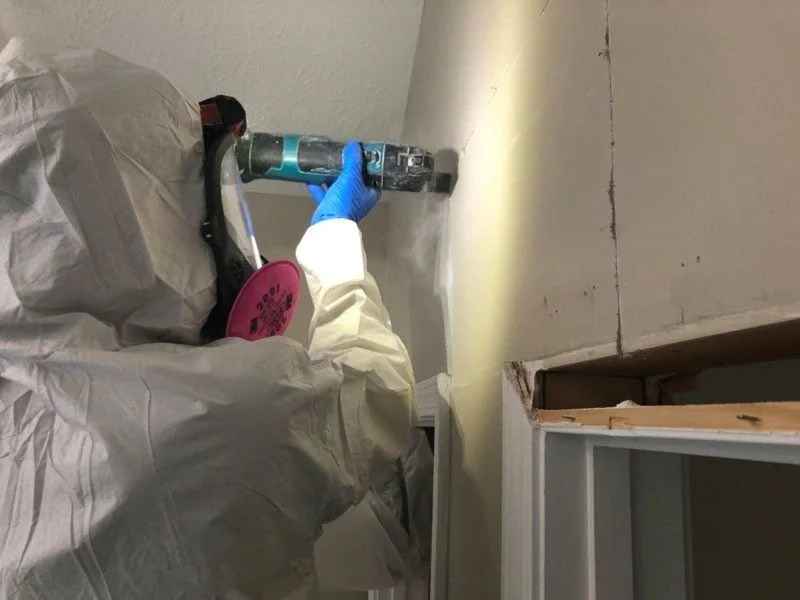
Why Hidden Water Damage is Serious
Sometimes, it begins with a drip that feels manageable. A stain that you can simply paint over. Or moisture that you figure will just dry out on its own.
But behind the drywall, or inside the insulation, things can look very different. Wood swells. Nails rust. Mold spores start to grow. Hidden water damage travels deeper with time, instead of getting better. Moisture creeps through framing, can destroy beams, and even softens paint until you can notice it with the naked eye.
Our technicians use tools that see what the eye can’t. Scanners, thermal imagers, and moisture meters that show us what lies inside of your walls, ceilings, and floors. It can feel like a big step to have a technician in your home with these tools, so here’s what you can be looking for on your own before giving us a call.
1. Wall or Ceiling Stains
Look at your ceiling…. Look again.
If you see a halo, faint and amber, almost circular, it's a clear sign of water making itself known. These types of water damage can come from a storm, an upstairs pipe, or a roof leak.
Here’s the thing: stains don’t dry up and disappear. They darken, spread, and bubble paint outward.
At Provision, we scan these marks to learn whether the moisture is active or retired. Most of the time, it’s still alive.
2. Moving or Creaking Floors
A solid floor should be silent. When it starts to creak, or lift, like a small wave under your feet, water is often the culprit.
Wood boards cup. Laminate lifts. Vinyl buckles. Sometimes you’ll see just a single plank rise as if it’s exhaling.
This type of movement is never caused by just humidity alone. There’s more moisture needed, like after a dishwasher line splits in two, or a refrigerator leak that seeps into the floor and makes its way out from underneath.
We can read your floor like a map. Our moisture meters guide us toward the source and each scan shows us where the wood is still dry and where it’s not.
3. An Earthy, Damp Smell
You know it when you smell it. It’s earthy and damp, like an old, dingy basement.
That’s usually water damage that’s extensive enough to be in the air. It means something organic, like wood, paper, or drywall, is holding moisture. It’s not a sure sign of mold just yet, but it very well could be sooner than you’d think.
Our team will always set up an airtight containment with air scrubbers that restores the home’s clean air quality while we work on drying the physical water damage.
4. Peeling Paint
Trapped water wants to escape. That’s its MO. You’ll see it first as bubbles, then flakes, then soft patches that crumble when you touch them. That’s moisture pushing through primer and then paint.
We’ve seen homeowners just paint over these spots thinking that fixes it. But the problem isn’t on the surface, it’s inside. Our readings tell us how deep it’s gone before we ever cut, dry, or rebuild.
5. Mysterious Water Bill Spikes
You’ll pay for water damage before you ever start the remediation process.
When a leak hides inside a wall, water runs 24/7. Your first clue often arrives as a higher than usual water bill.
A small, unseen leak can waste hundreds of gallons each month. You’ll hear faint sounds, like a distant hiss, a subtle drip behind a wall that sounds kind of like static.
We follow those sounds with sonar equipment that listens better than human ears. Once we find it, we fix it before it becomes a ceiling collapse or a mold bloom.
6. Sagging Ceilings
A ceiling should hold its shape. When it starts to sag or bow or glisten, give us a call.
There’s a lot of hidden weight up there; gallons of trapped water pressing down on plaster. Roof leaks, busted pipes, or attic condensation can all lead to a sagging ceiling.
Provision’s first move is always safety. We relieve the pressure by cleanly draining the water and stabilizing the structure before gravity decides to handle it on its own.
7. Mold!
Tiny spots that are circular, dark, sometimes green, sometimes gray. They often start at the corner of a wall or behind a sink.
Once it appears, it can spread fast. Spores ride air currents and easily slip behind baseboards, settling where light never reaches.
Containment is the only answer. We seal, scrub, and dry the affected areas until the air itself feels lighter. Our airtight containments, HEPA filtration, and negative pressure are all industry-leading measures.
8. Dripping Sounds
You’ll hear it most in the quiet hours; the dripping or ticking is water moving through insulation, droplets hitting pipes and studs.
This will rot the structure from the inside out. We use acoustic sensors and scanners that allow us to locate the source before tearing holes in your walls.
Do Not Wait to Address Water Damage
There is a high price to pay for waiting. A tiny leak today can quickly become a soft wall tomorrow, and a moldy subfloor next month. Every day—even every hour—counts. If you wait too long, the cost of drying can expand into needs for demolition and restoration as well.
The other big kicker is that insurance companies only cover sudden damage, not prolonged neglect. So if your insurance company decides that the water damage is due to homeowner neglect from waiting too long, they could deny coverage.
We want to remind you that Provision’s inspections and consultations cost you nothing. If you suspect the beginnings of water damage, don’t hesitate to reach out! Our technicians will record readings, photos, and timestamps to show exactly when and how the damage occurred, because proof matters when insurance adjusters ask questions later.
Frequently Asked Questions on Signs of Water Damage
Can I fix small drywall water spots myself?
You can dry the surface, but the deeper moisture will stay. That’s where mold can begin to grow, so even the smallest water spot is a gamble to leave alone.
Does homeowners insurance cover leaks?
Yes, if they’re sudden and accidental. Gradual leaks that cause damage over time are often chalked up to homeowner neglect.
Can hidden water cause odor without visible damage?
Absolutely. All of these signs can appear at different times, so keep an eye out for each of them.
Do I need to tear my walls open if I suspect water damage?
Call us before you cut into your walls. We have tools that allow us to scan your walls from the outside without causing any damage. From there, we can determine the scope and location of the damage to minimize the restoration costs.
Free Water Damage Inspections
Provision Property Restoration will find the hidden moisture in your home and restore order before the damage can spread. If you see any of these signs of water damage, just call us. We’ll happily inspect the signs and consult you on next steps for free. Clear answers are just a phone call away.