Cumming Water Heater Leak: Flooded Flooring and Structural Drying
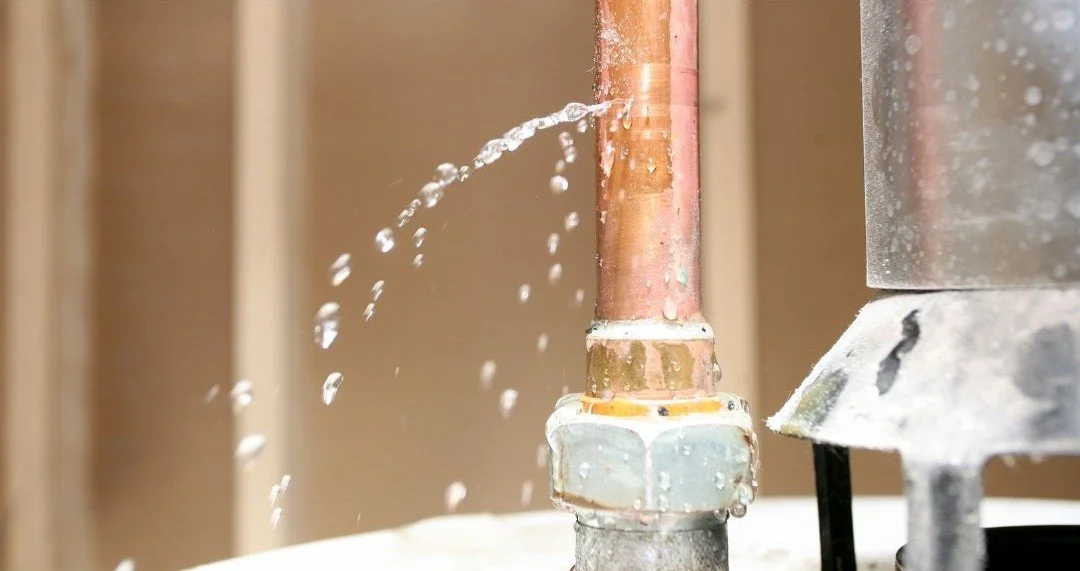
The Situation: A Water Heater Leak That Quickly Spread
Ganesh, a homeowner in Cumming, unfortunately walked into a stressful situation one day when he discovered his water heater had been leaking a significant amount of water into his home.
At first, he tried to contain the leak using buckets, but the water was coming out faster than he could keep up with. By the time the source was fully identified, water had already spread into surrounding areas and damaged much of the flooring nearby.
Like many homeowners would, his first call was to a plumber. Thankfully, the plumber immediately recognized the seriousness of the water damage and recommended Provision to come inspect the home and begin mitigation as quickly as possible.
Why You Should Immediately Call A Restoration Company For Your House Leak
What many homeowners don’t realize in situations like this is that time matters enormously once water begins spreading through a house. A plumber is absolutely critical for stopping and repairing the leak itself, but plumbers aren’t typically equipped to immediately begin moisture mapping, drying, containment, demolition, and mitigation. That’s where a property damage restoration company comes in.
You see, water travels extremely fast. Even a “small” leak can move beneath flooring, behind baseboards, inside drywall, and into nearby rooms much faster than most people expect. The longer moisture sits, the more damage it can cause. That then results in a larger and more expensive restoration process.
That’s why we strongly recommend for homeowners to immediately call a restoration company like Provision if they’re dealing with a water leak or flooding issue. On our initial call we can explain to the homeowner how to turn their water main off, and our emergency response team can stop further spread right away. We’ll also simultaneously coordinate with an experienced plumber to repair the source of the problem. We have a solid network of licensed, vetted, local plumbers who respond quickly and professionally repair the leaks.
Fast Response in Cumming
Our emergency response technician Serge arrived on-site to Ganesh’s house in Cumming within one hour of the homeowner contacting us. Fast response is something we take seriously because every hour matters once water begins spreading through a home or business.
Serge has been with Provision for about two years now and has helped many homeowners through similar water damage situations. He walked Ganesh through the visible damage, explained where hidden moisture was likely present, and outlined exactly what the mitigation and drying process would involve.
In our experience, which is also backed up by industry data, water heaters are one of the most common causes of residential water damage. Combine that with the fact that they’re often tucked away in utility rooms, garages, basements, or laundry rooms, and you can often end up with a leak that has gone unnoticed for a long period of time.
We’ll often get calls from homeowners who aren’t even sure when their water heater leak began, with some estimating that they haven’t been in that part of the house for several days at that point. By the time many homeowners discover the problem, water has often already spread farther than expected, resulting in a complex restoration process.
Ganesh also mentioned to Serge that he planned to file an insurance claim but wasn’t sure where to begin. Serge explained that one of Provision’s main roles during losses like this is helping homeowners navigate the insurance process from start to finish. We understand that the damage is already a heavy burden and want to help alleviate as much of that as we can.
We regularly work directly with all insurance companies on behalf of homeowners, providing:
Moisture documentation
Photos
Equipment logs
Scope details
Daily drying records
Communication throughout mitigation
For many homeowners, removing the stress of managing the claim themselves becomes one of the biggest reliefs during the process.
Identifying the Full Extent of the Water Damage
Although some of the damage was immediately visible, water rarely stays confined to one area.
What many homeowners don’t realize is that flooring materials often hide a surprising amount of moisture underneath the surface. Even when the top layer looks relatively dry, water may still be trapped beneath flooring, behind walls, or inside structural materials. Just because you don’t see it definitely doesn’t mean that it isn’t quietly deteriorating your subfloors, walls, and more.
To properly evaluate the affected areas, our technicians used:
Moisture meters to locate hidden moisture
Professional moisture mapping techniques
Inspections behind drywall and flooring
Commercial-grade Phoenix drying equipment
Our team carefully checked behind flooring and surrounding wall areas to determine how far the water had traveled and what materials had been affected.
We also walked Ganesh through our findings step by step so he fully understood what needed to happen and why mitigation was necessary.
Beginning Mitigation Quickly
Because water heater losses are commonly covered by insurance, we were able to fully begin work the very next day — even before formal insurance approval was finalized.
This is important because waiting too long can allow moisture to continue spreading deeper into structural materials, increasing the risk of swelling, warping, odors, and microbial growth.
Before mitigation began, our team had already prepared:
Moisture readings
Photos of affected areas
Equipment documentation
Detailed scope information
This allowed the insurance process to move forward smoothly while mitigation work was already underway.
Mitigation and Structural Drying
A three-man crew completed the mitigation work in one full day.
The mitigation process included:
Removing affected materials where necessary
Protecting unaffected areas of the home
Setting up containment where needed
Installing professional drying equipment
Monitoring moisture levels throughout the project
Preparing documentation for insurance
After mitigation was completed, the structural drying process continued for six additional days.
One thing homeowners often ask is:
“Why does drying take almost a week?”
The reason is because homes dry much slower than people expect. Even after visible water is removed, moisture can remain trapped inside subfloors, framing, drywall, and other structural materials. Drying too quickly or removing equipment too early can leave hidden moisture behind that may later cause swelling, odors, or microbial growth.
That’s why our technicians returned daily to:
Monitor moisture readings
Track drying progress
Adjust equipment if needed
Ensure the structure was drying properly
The goal is not just making the home look dry — it’s making sure the structure is truly dry.
Insurance Support Throughout the Process
Water damage claims can feel overwhelming, especially when homeowners are simultaneously dealing with:
Emergency mitigation
Insurance paperwork
Reconstruction decisions
Temporary disruptions to daily life
As promised, our project coordinator handled communication directly with the insurance company on Ganesh’s behalf.
Helping homeowners through the insurance side of a loss is something we deal with every single day, and it often removes a huge amount of stress during situations like this.
Timeline and Team Involvement
The mitigation portion of the project took one full day.
The drying process continued for six additional days with daily moisture monitoring visits.
Project involvement included:
Three crew members during mitigation
Daily technician visits during drying
Ongoing insurance coordination
Reconstruction support after mitigation
Once drying goals were achieved, Ganesh asked if we knew any construction companies. We recommended a local, reputable reconstruction company. They’re licensed, insured, are highly experienced in this type of work, and were tasked with the project. As a result, our coordinator continued supporting Ganesh through the reconstruction process with the reconstruction company, ensuring that Ganesh had someone in his corner from start to finish.
The Homeowner’s Testimonial
Ganesh told us that one of the biggest reliefs throughout the process was not having to handle everything alone.
He shared that he appreciated how clearly the team explained the process, how quickly the response happened, and how much stress was removed by having Provision coordinate directly with the insurance company.
Most importantly, he appreciated having support all the way through reconstruction instead of feeling like he was left to figure things out on his own after mitigation ended.
Ganesh later was kind enough to leave Provision a 5-star review and was very happy with the overall experience.
Why Fast Water Heater Leak Cleanup Matters
Water heater leaks can release a surprising amount of water into a home very quickly.
Even when the leak initially seems manageable, moisture can rapidly spread beneath flooring, behind walls, and into nearby structural materials.
Provision Property Restoration provides emergency water damage mitigation and structural drying throughout Cumming and surrounding North Atlanta communities, including:
Water heater leak cleanup
Flooded flooring mitigation
Structural drying
Moisture mapping
Insurance documentation support
Reconstruction coordination
Fast response and proper drying help reduce long-term damage, protect the structure of the home, and make the recovery process much smoother for homeowners dealing with unexpected water damage.
If your home or business needs property damage restoration for sewage, water, or fire, call Provision Property Restoration today at 678-383-0889.